How do you count monthly opens?
+
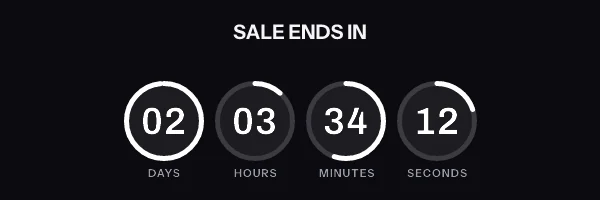
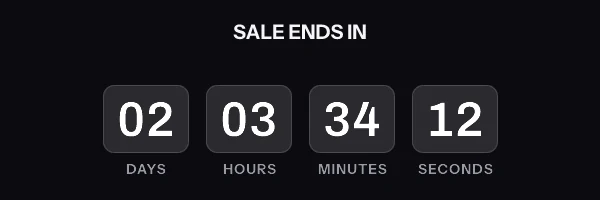
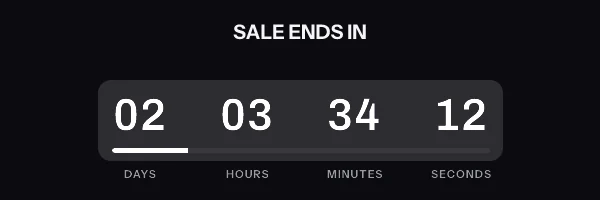
One open is one request for your image. A subscriber opens the email, their mail app fetches the countdown or the personalized graphic, and that is one. If Apple Mail or Gmail then serves the same image again from its own cache, that is their server doing the work and you are not charged for it a second time.
What happens if a campaign goes over my monthly limit?
+
Nothing stops. Your images keep rendering for the whole send. We email you at 80 percent of your monthly opens and again at 100 percent, and past 110 percent new renders carry a small watermark until you move up a plan. A send already in flight is never held hostage over a billing threshold.
Do timers from the free generator count toward a plan?
+
No. A timer from the free generator works for 500 opens without an account, and for 1,000 once you sign in and claim it. After that, the image shows a note that its free opens are used up. A timer you build in an account, on any plan, counts toward that plan's monthly opens instead.
How does annual billing work?
+
You pay for ten months and get twelve, in either currency. Starter is $190 for the year instead of $228, or ₹15,990 instead of ₹19,188. You can switch to annual at any point and the change is prorated against what you have already paid.
Which currency am I charged in, and can I switch?
+
You choose before you pay. The switch above the plans changes what this page shows, and it opens on rupees if your browser looks like it is set to India and dollars otherwise. Dollar subscriptions run through Stripe and rupee subscriptions run through Razorpay. Once a subscription is live it stays in the currency it started in, because neither gateway can change the currency of a running subscription. Switching means cancelling at the end of the cycle you have already paid for and starting a new one in the other currency, which you can do yourself from account settings. Tell us the date and we will line the two up so you are never paying twice.
What happens to my subscription if I move countries?
+
It carries on. Billing follows the currency you signed up in rather than where you are sitting, so a dollar subscription keeps charging the same card after you land in Bengaluru, and a rupee subscription keeps charging the same UPI mandate after you move to London. Your templates, your published image URLs, and every campaign already sitting in an inbox are untouched. If you would rather pay in the local currency after the move, that is the switch above: cancel at the end of the paid cycle and start again in the other currency.
How do client workspaces work on Agency?
+
An owner of the account can create a separate workspace for each client, up to 200 in one account. They all share the plan's 5,000,000 monthly opens and its 5 white-label domains, as one allowance for the account rather than one each. If you move from Agency to a lower plan, your client workspaces stay and every image already sent from them keeps rendering, but you cannot create new ones until you are back on Agency.
Can I change or cancel my plan?
+
Yes, from your account settings, without emailing anybody. Upgrades take effect immediately and are prorated. Downgrades and cancellations take effect at the end of the billing cycle you have already paid for. Razorpay has no hosted customer portal, so rupee customers do all of this on our own screens rather than being sent to a gateway page.
Is there an extra charge for using our brand fonts?
+
No. Uploading your own .woff2 or .ttf files is included on every paid plan from $19 a month. Some vendors in this category put custom fonts behind a higher tier, which is worth checking when you compare.
What can we pay with?
+
Paying in dollars goes through Stripe: Visa, Mastercard and American Express, plus Apple Pay and Google Pay where your browser offers them. Paying in rupees goes through Razorpay: UPI Autopay, so the recurring mandate sits in the UPI app you already use, net banking eMandate, and Indian credit and debit cards. Annual Agency plans can also pay by bank transfer against an invoice. Tax is shown at checkout.